


FACTS CARBON DIOXIDE
Facts about carbon dioxide (CO2)
How carbon dioxide is created and its physical properties, why you should measure carbon dioxide and how, and an overview of different levels of carbon dioxide in the air.

Carbon dioxide (CO2) is a colorless and odorless gas with a slightly sour taste.CO2 is the molecular formula for the chemical compound between the elements carbon (C) and oxygen (O). The gas is present in our atmosphere at a level of about 400 ppm, although it can reach 800 ppm in environments with high emissions, such as cities, industrial areas, highways, etc.
CO2 is mainly produced by burning carbon-based fuels such as oil, natural gas, biofuels, etc. We humans are also a source of emissions. Our exhaled air contains about 4%CO2 (40 000 ppm), which is really only relevant to indoor air quality.

The carbon dioxide molecule consists of one carbon atom and two oxygen atoms.
Carbon dioxide in indoor air.
There are two main reasons to measure CO2 levels in enclosed spaces. Firstly, as an indicator of air quality (low levels) and secondly, to ensure that the values are not at levels that are harmful to health and life. The low levels (air quality) occur in various rooms where a lot of people move in and out, such as school halls, cinemas, assembly halls, etc.
The really high levels are found mainly in industrial environments where the gas can be formed in various processes such as fermentation. CO2 is also used for cooling and as a protective gas.
Carbon dioxide as an indicator of air quality.
When humans are the main source of emissions and other sources are of minor importance, indoor CO2 concentration is an indicator of air quality.

Levels indoors, for example in a school hall without pupils, are around 400-600 ppm CO2 depending on the level in the outdoor air. When the room is filled with people, the levels will rise due to our exhaled air containing approx. 40 000 ppm. This increase must be balanced out by airing or ventilation.
The Swedish Work Environment Authority has stated that levels in public spaces should not exceed 1000 ppm CO2, not because that level of CO2 is dangerous in itself but it is used as an indicator to determine air quality. We humans not only emit CO2 but also excrete microorganisms, gases and particles, we stir up dust, etc. Several studies have shown the link between high CO2 levels and human well-being.
How do we measure carbon dioxide?
There are essentially four needs for CO2 measurement for different applications:
Portable measuring instruments
Handheld instruments for sporadic measurements at different points with direct reading. In particular intended for risk assessment of workplaces in the vicinity ofCO2 emissions.
Data loggers
Since it is practically difficult to be present and measure in a room whenthe CO2 load is highest, it is most common to place a logger in rooms to be evaluated. This provides not only a present value but also the variation ofCO2 concentration over time.
Logging/remote monitoring
An increasingly common method is to remotely monitorCO2 concentration and indoor climate because the benefits are obvious. You have the same advantages as with a data logger, but in addition, you can also follow and document the measurement data remotely without having to go out to the measurement site to download the measurement data.
StationaryCO2 sensors
Today, it is also common to regulate ventilation according to how many people are in the room, so-called demand-controlled ventilation. This requires stationaryCO2 sensors whose output signals are used by the ventilation system’s control system to convert the right amount of air according to the current need.


CO2 measuring instruments from Nordtec.

CO2 measurement kit with testo 440
Use this handy measuring kit to measure CO2, humidity and air temperature and to assess indoor air quality in offices. The instrument and CO2 sensor are very easy to use.

Data logger / handheld instrument
CA1510 – combined data logger and handheld instrument for CO2 and the other indoor climate parameters temperature and humidity. High accuracy and memory for up to 1 million readings.
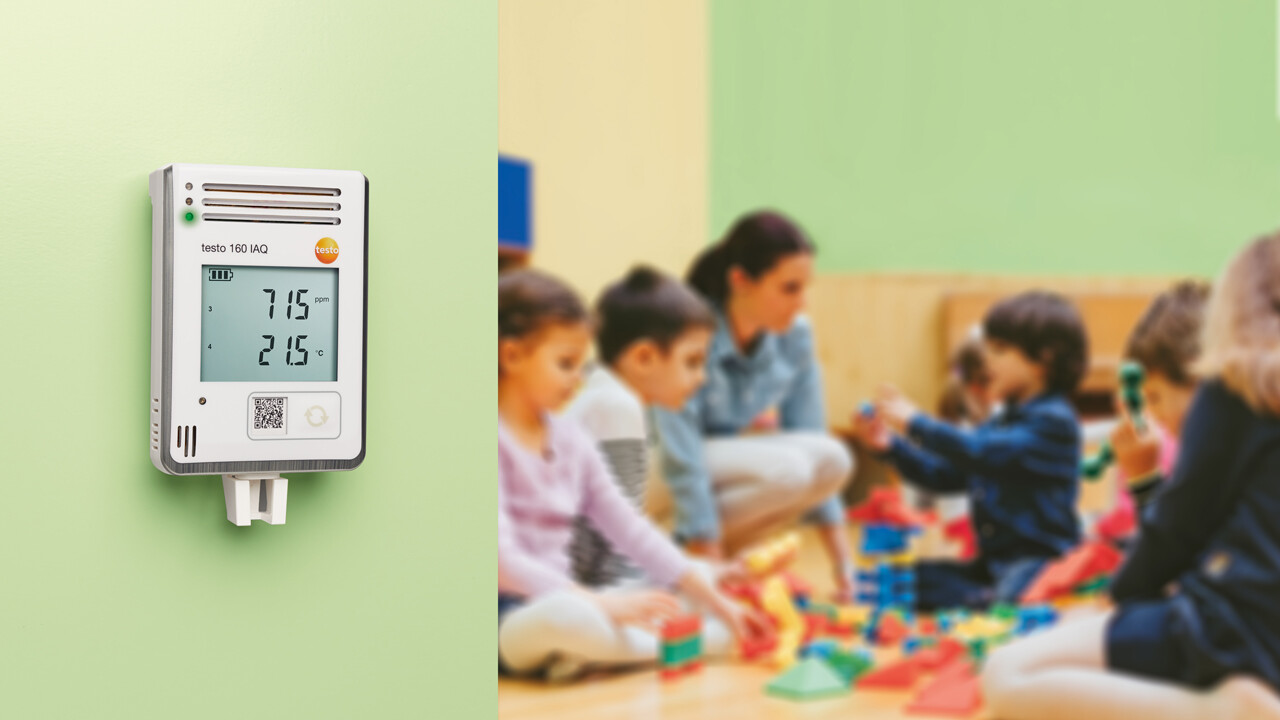
The remote monitor
testo 160 IAQ is a WiFi data logger that measures and records CO2 , temperature, humidity and air pressure. The measurement data is sent via the WiFi network to a cloud service for evaluation and documentation.
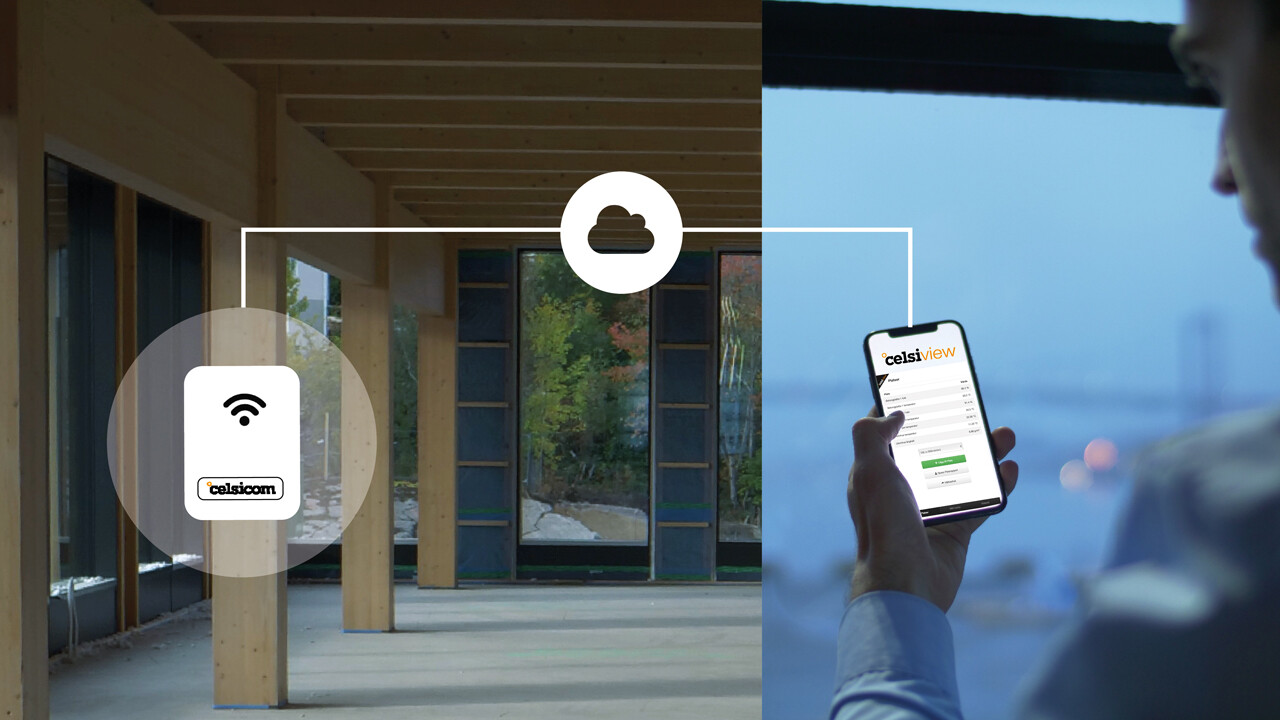
Celsicom Easy Connect
The THC600 is ideal for measuring air quality in a variety of environments, such as classrooms, training rooms, conference rooms and similar spaces. The sensor measures carbon dioxide, air pressure, temperature and humidity.