


Published 2026-10-13
How to detect moisture problems in time
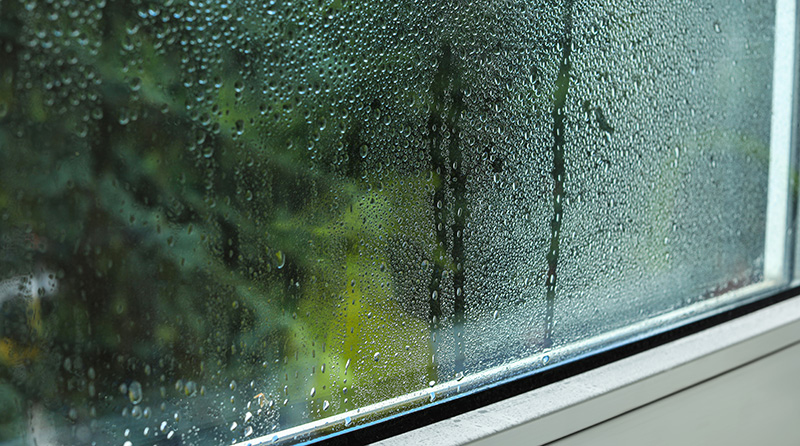
Moisture is a common cause of problems in properties. Elevated moisture levels can contribute to mold and other microbial growth and, over time, cause extensive damage to building materials and furnishings.
The challenge is that moisture isn’t always visible or noticeable. By the time discoloration, flaking paint, or unusual odors appear, the damage may already have developed. That’s why it’s important to pay attention to changes in moisture conditions that could indicate an emerging moisture problem.
Where is there a risk of moisture problems?
Moisture can arise and enter a building in several different ways. Precipitation, leaks, and ground moisture are examples of sources that can cause elevated moisture levels in the building. Warm, humid indoor air can also create problems when it moves to colder areas, where condensation can form.
Moisture is also added through activities inside the building, such as cooking, showering, or when many people are in the same space. The moisture that’s added needs to be carried away. Properly functioning ventilation is therefore important for keeping moisture levels down.
Certain parts of the property are especially important to check, for example:
- attics and crawl spaces
- basements
- roofs, exterior walls, and other cold surfaces
- wet rooms and other spaces where water is used
- spaces with limited ventilation
- locations at risk of leaks or water ingress
The best way to monitor moisture levels is to measure them. Two key values in moisture measurement are temperature and relative humidity
Temperature, relative humidity, and dew point
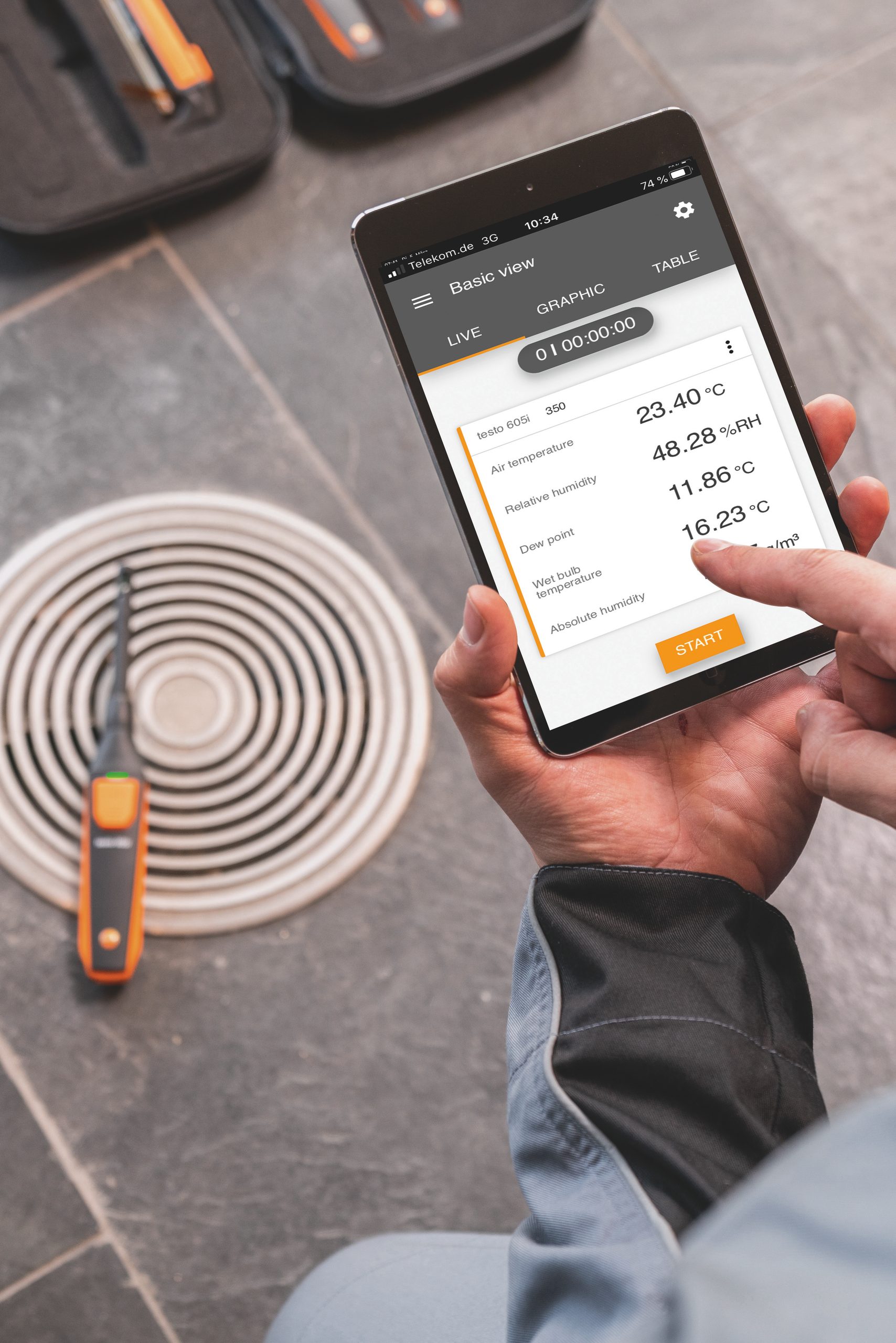
Relative humidity, RH, describes how much water vapor the air contains in relation to how much water vapor the air can maximally hold at the current temperature. When the temperature changes, the relative humidity is therefore also affected.
This means temperature and RH need to be considered together. The air closest to a cold surface, for example, can have significantly higher RH than the air in the rest of the room. The dew point indicates the temperature at which condensation can start to form. If the temperature of a surface is close to or below the dew point, there’s a risk of condensation, which can create conditions for moisture-related damage.
Several of Testo’s moisture meters can automatically calculate the dew point based on the measured temperature and RH, allowing the condensation risk to be assessed directly during measurement.
Single measurements don’t always give the full picture
A single measurement provides a snapshot, but moisture conditions in a property change over time. Season, weather, temperature, ventilation, and how the building is used can all affect the readings. That’s why recurring or continuous measurement provides a better basis for detecting changes.
In spaces that are difficult to check regularly, connected measurement can be a practical alternative. With Celsicom’s connected measurement boxes, temperature and relative humidity can be measured continuously and monitored remotely. If the moisture level exceeds the set threshold, an alarm is sent to those responsible.
Moisture measurement as part of preventive maintenance
Measuring moisture isn’t just about detecting moisture damage. It’s about gaining better insight into the property, identifying areas at risk of moisture problems, and being able to act in time.
If measurements show that moisture conditions are elevated in a particular area, there may be reason to examine the structure more closely. For example, the moisture ratio can be measured in a wood structure to gain information about the material’s moisture state and assess whether the conditions pose a risk of mold growth.
An elevated reading doesn’t automatically mean that damage has occurred. But by measuring regularly, it becomes easier to detect changes before they develop into bigger problems. For facility technicians and operations managers, measurement data is therefore a valuable basis for preventive maintenance.
To assess whether a measured moisture level is too high, the reading needs to be considered in relation to the specific environment and the properties of the materials involved. There isn’t a single threshold that applies to all properties and situations. Relevant guideline values, industry standards, and the materials’ critical moisture states can be used as a basis for the assessment.
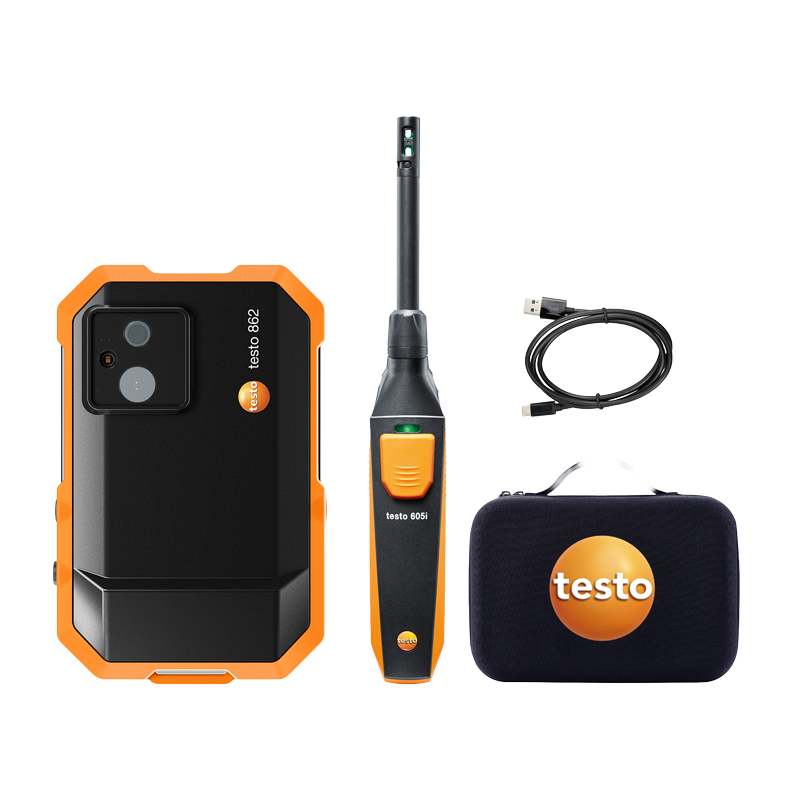
testo 862-2 measurement set for moisture risk
Detect potential moisture damage with thermography and moisture measurement. The testo 862-2 combines thermal imaging with temperature and relative humidity measurement and includes functions for moisture damage analysis. The measurement set helps you identify areas at risk of moisture damage, among other things.
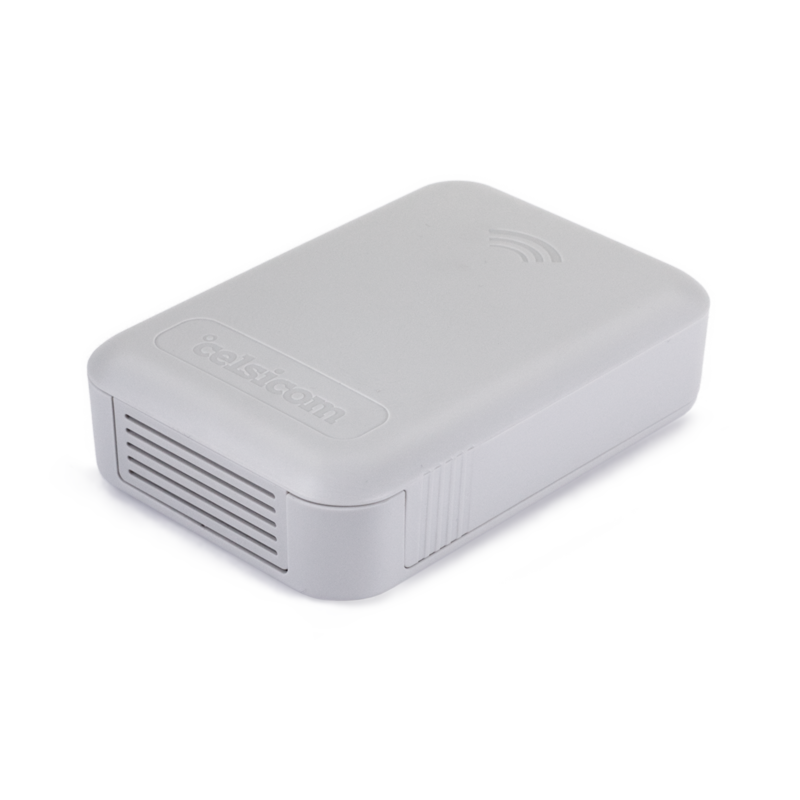
Celsicom TH600
Direct-connected remote monitoring of temperature and relative humidity. The readings are sent to Celsiview, where you can track changes over time and receive alarms when set thresholds are exceeded. This provides a better basis for detecting changed moisture conditions and acting in time.
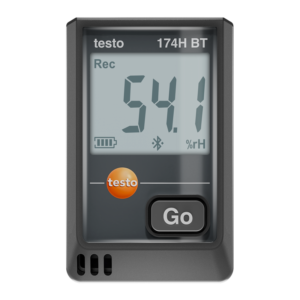
testo 174 H BT
Mini data logger for humidity and temperature. With the testo 174 H BT, you can continuously log temperature and relative humidity and track how conditions change over time. The measurement data is easily accessible on your phone via a Bluetooth connection.
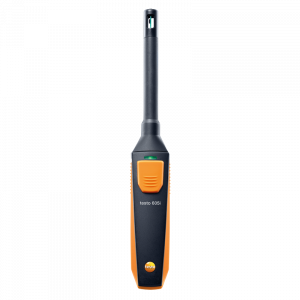
testo 605i
Wireless humidity and temperature probe. Measure air temperature and relative humidity in rooms and ducts. The testo 605i is used together with your smartphone and the testo Smart App, which can, among other things, automatically determine dew point and wet-bulb temperature.

testo 606-2
Combination instrument for humidity and moisture ratio. With the testo 606-2, you can measure the moisture content in a wide range of wood species and building materials. It also measures relative humidity, air temperature, and calculates the dew point.

Celsicom MM611B
Direct-connected remote monitoring of moisture ratio. The Celsicom MM611B data logger is used to measure moisture in structures. The readings are automatically transmitted via the mobile network to the Celsiview cloud service, where you can track measurements in real time, receive alarms if something deviates, and generate reports.
Read more
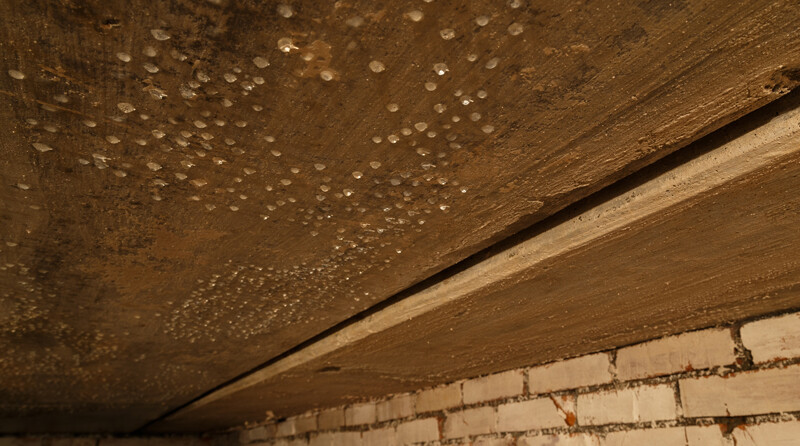
Attics and crawl spaces require special attention
Attics and crawl spaces can have conditions that make them especially vulnerable to moisture. In the attic, warm, humid air can rise up from the building, while ground moisture and humid outdoor air can affect conditions in the crawl space.
But what moisture levels actually pose a risk? And how should you act when measurements show elevated levels?

Has moisture affected the wood structure?
When moisture conditions are elevated, it can be important to know if and how wood structures have been affected. A moisture ratio measurement provides information about the wood’s moisture state and shows whether there’s reason to examine the situation further.

Different properties have different needs
Every property has its own conditions and risk areas. In some buildings, it’s primarily the structure that needs to be monitored, while others may have sensitive fixtures and materials that need to be protected.
Churches are an example where temperature and humidity may need to be monitored in several locations. In addition to the building itself, textiles, books, and other furnishings can be affected by variations in climate.
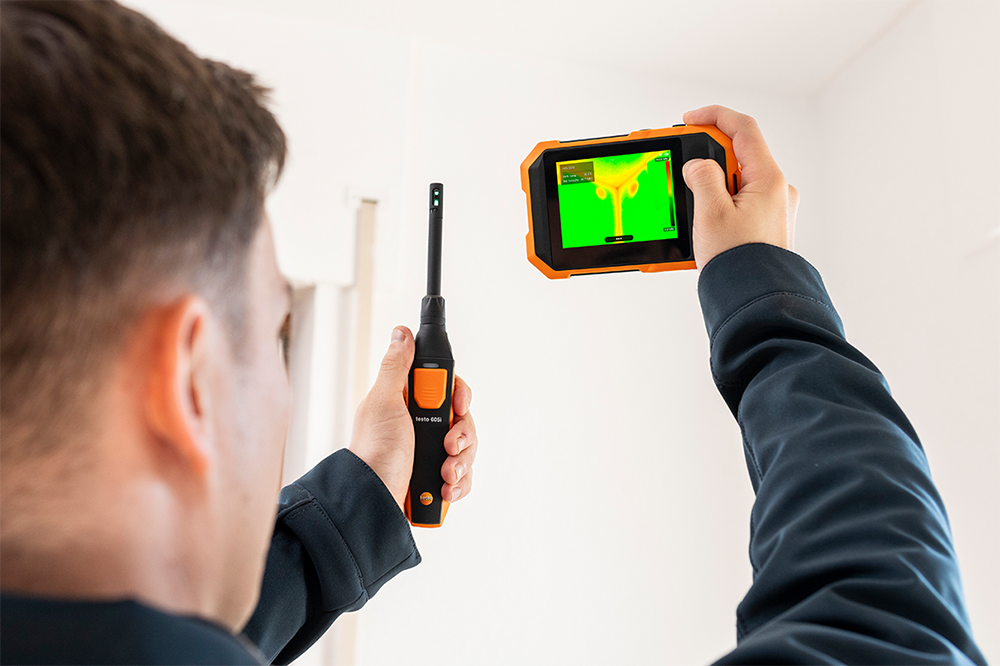
Moisture in properties
Application: Identify elevated moisture levels before they lead to moisture damage
Measurement solution: Measurement set with testo 862 and moisture probe, testo 606-2, and moisture loggers from Celsicom
Contact persons

ADVICE AND SALES
Mats Landin
Area of responsibility: Construction, Ventilation and Air Conditioning
mats.landin@nordtec.se
031-704 10 85
031-704 10 70